

World Stray Animals Day | Stray Dogs and Cats | Rabies in Pakistan | Stray Animals | Public Health, and Sustainable Solutions | Rabies Prevention
World Stray Animals Day, observed on April 4 every Year. It raises awareness about the suffering of stray animals. This day highlights the growing global crisis of stray dogs and cats and the urgent need for humane solutions. This day focuses on improving the lives of stray dogs and cats. It highlights issues like hunger, disease, abuse, and lack of shelter, which are core animal welfare concerns. Therefore, the day promotes humane treatment, compassion, and protection of stray animals. WSAD or World Stray Animals Day also promotes effective Rabies Prevention through vaccination. Rabies in Pakistan is preventable but still deadly. However, with coordinated efforts, humane strategies, and community participation, elimination is achievable.


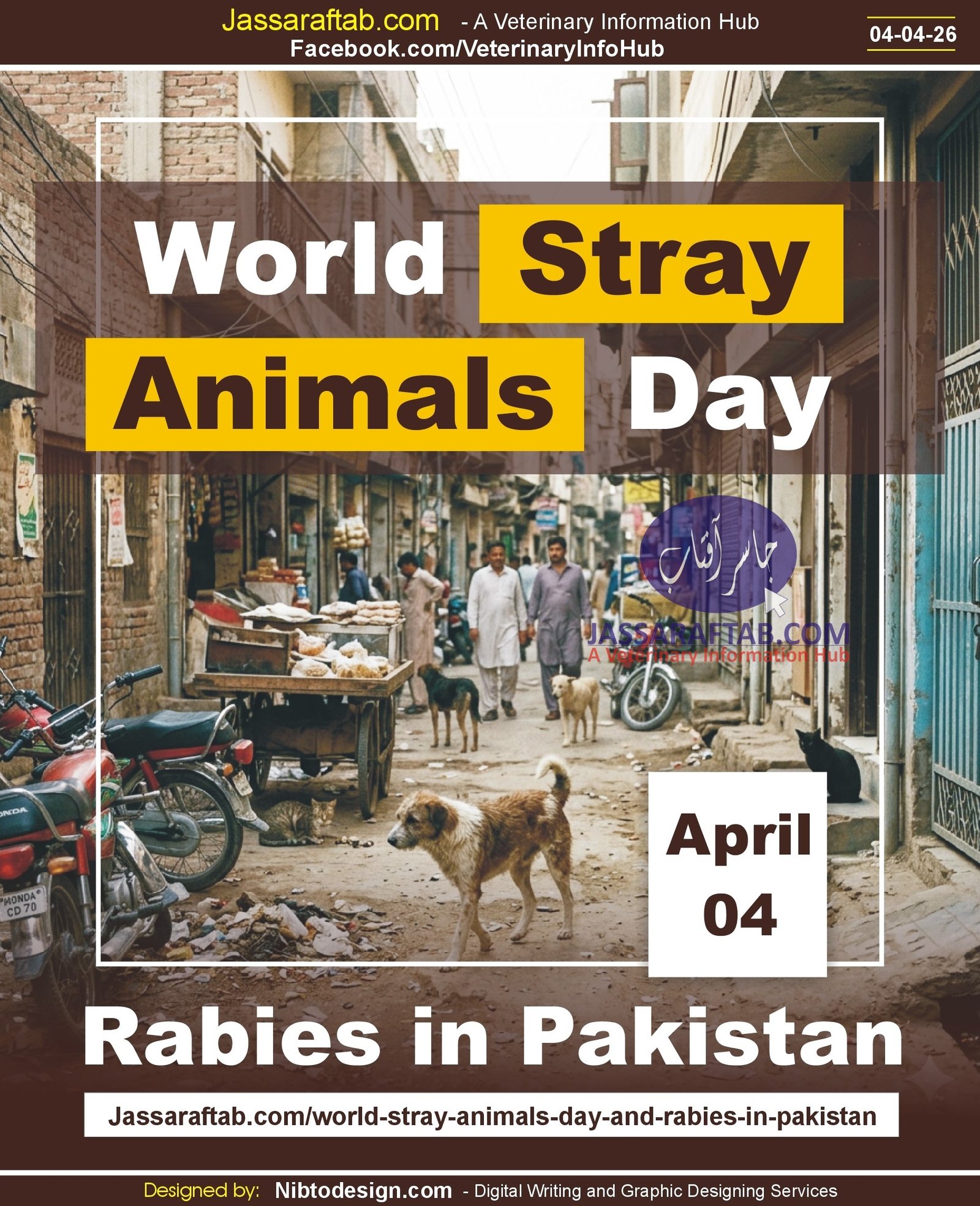
Millions of animals live on the streets, facing hunger, disease, abuse, and neglect. At the same time, unmanaged stray populations pose serious public health risks, especially the spread of rabies. Therefore, this day not only raises awareness about animal cruelty but also promotes responsible pet ownership, vaccination, and sterilization. It encourages a balanced approach where compassion for animals goes hand in hand with protecting human health and community safety.
History of World Stray Animals Day
WSAD World Stray Animals Day was founded in 2010 by a group of Dutch stray animal foundations during the Dutch National Stray Animals Conference. The initiative aimed to bring global attention to the growing number of homeless animals and the challenges they face. Moreover, the day serves as a powerful reminder that every stray animal deserves basic care, including food, shelter, and kindness. It also encourages communities to adopt humane and responsible approaches to managing stray populations.
Initially, the focus remained on raising awareness about:
- Increasing number of stray dogs and cats
- The cruelty and neglect they face
- Lack of effective population control strategies
Over time, the day gained international recognition. Animal welfare organizations, veterinary professionals, and governments started participating actively.
Moreover, the purpose expanded. It now promotes:
- Humane stray animal management
- Rabies prevention through vaccination
- Responsible pet ownership
- Adoption instead of buying pets
Therefore, World Stray Animals Day has evolved into a global movement. It encourages compassion, policy change, and scientific solutions.
The Harsh Reality of Stray Animals
Across the world, millions of stray dogs and cats struggle daily. They remain neglected, abused, and malnourished. Moreover, many suffer from untreated injuries and diseases.
According to estimates by the World Health Organization (WHO):
- Over 200 million dogs live as strays globally
- Even more cats roam freely on streets
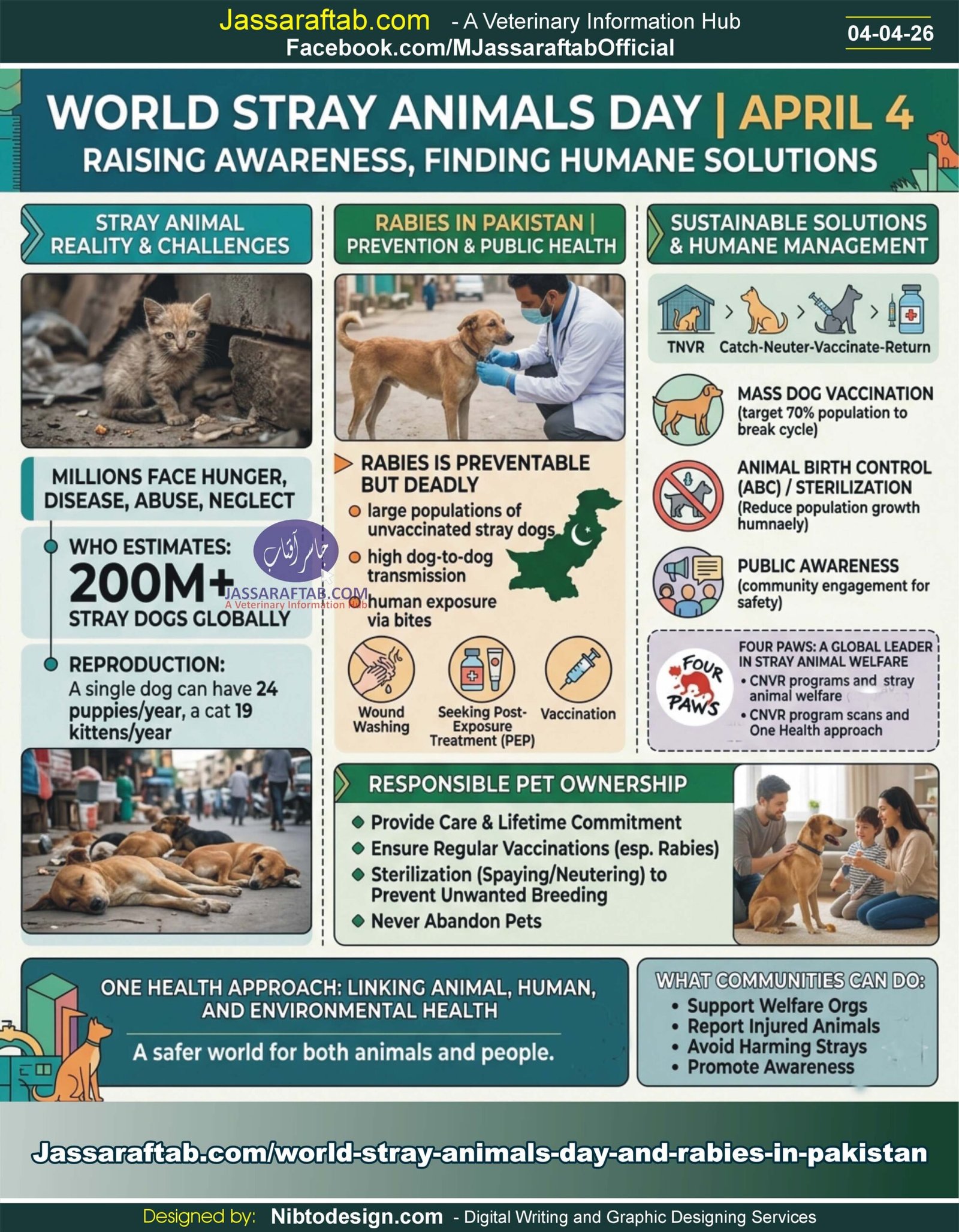
In addition, reproduction rates worsen the situation. A single dog can produce up to 24 puppies per year, while a cat can give birth to up to 19 kittens annually. As a result, populations grow rapidly. Consequently, suffering and competition for resources increase.
Common Forms of Cruelty
Stray animals often face extreme cruelty. For example:
- People poison or beat them
- Vehicles cause serious injuries
- Lack of treatment leads to painful deaths
- Illegal killing practices persist
Furthermore, fear and misinformation drive such behavior. Therefore, awareness becomes essential.
Stray Animals and Public Health: The Rabies Connection
Rabies remains one of the most serious risks linked with stray animals. It is a fatal viral disease that spreads through bites of infected animals, mainly dogs.
How Stray Animals Contribute to Rabies in Pakistan
Rabies in Pakistan faces a high burden due to:
- Large populations of unvaccinated stray dogs
- Frequent dog-to-dog transmission
- Close human–animal interaction
- Poor waste management attracting stray animals
As a result, the virus continues to circulate and rabies prevention becomes harder. Even minor bites can transmit infection. Therefore, every exposure must be treated seriously.
Efforts by Pakistan to Eliminate Rabies in Pakistan and Rabies Prevention Programmes
Pakistan has taken significant steps to address rabies as a major public health concern. The government, along with provincial livestock and health departments, is increasingly focusing on coordinated strategies to reduce rabies transmission. These efforts align with the global goal of eliminating dog-mediated rabies by 2030. As a result, Pakistan is gradually shifting toward more structured and science-based rabies prevention programs.
Rabies in Pakistan and Rabies Prevention Efforts
One of the most important strategies is mass dog vaccination. Authorities and animal welfare organizations are working to vaccinate a large proportion of the dog population, especially in urban areas. Vaccinating at least 70% of dogs helps break the transmission cycle of the rabies virus. Consequently, this approach protects both human and animal populations.
In addition, Pakistan is promoting Animal Birth Control (ABC) and TNVR programs. These programs focus on sterilizing and vaccinating stray dogs before returning them to their territories. This not only reduces population growth but also decreases aggressive behavior and disease spread. Therefore, these humane methods are gradually replacing ineffective and inhumane culling practices.
No doubt, rabies in Pakistan is a serious public health threat. However, Pakistan is taking significant steps toward rabies prevention through vaccination campaigns, TNVR programs, improved healthcare response, and increased public awareness.
Humane Solutions to Rabies Prevention
Rabies control is possible without cruelty. However, it requires coordinated efforts.
Mass Vaccination
Vaccinate at least 70% of dogs. This breaks the transmission cycle.
Animal Birth Control (ABC)
Sterilization reduces population growth. Consequently, disease spread declines.
Public Awareness through World Stray Animals Day
World Stray Animals Day plays a vital role in raising public awareness about stray animal welfare and associated health risks. It highlights the daily struggles of stray dogs and cats, including hunger, disease, and cruelty. At the same time, it educates communities about the importance of humane treatment and coexistence.
Moreover, this day helps people understand the link between stray animal management and public health issues like rabies. Through awareness campaigns, seminars, and social media outreach, individuals learn how simple actions—such as avoiding dog bites, reporting injured animals, and supporting vaccination drives can make a significant difference.
Educate communities about:
- Avoiding dog bites
- Immediate wound washing
- Seeking post-exposure treatment (PEP)
Responsible Pet Ownership
Responsible pet ownership means providing proper care, protection, and lifelong commitment to animals. It is essential for both animal welfare and public health. Moreover, it plays a key role in reducing the number of stray animals and preventing diseases like rabies.
Pet owners must ensure that their animals receive regular vaccinations, especially against rabies. This not only protects the pet but also safeguards human health. In addition, timely deworming and veterinary check-ups help maintain overall health and prevent disease transmission.
Another important responsibility is sterilization (spaying/neutering). This prevents unwanted breeding and reduces the risk of animals being abandoned. As a result, it directly helps control stray animal populations in communities.
Pet owners must never abandon their animals. Unfortunately, abandonment is one of the leading causes of stray populations. Instead, if they cannot keep a pet, they should consider rehoming through shelters or responsible adoption networks.
Furthermore, pet owners should follow local laws, such as registration and identification (tags or microchips). This helps in tracking lost pets and ensures accountability.
Role of Veterinary Professionals
Veterinarians are central to solving this issue. They:
- Lead vaccination and sterilization campaigns
- Treat injured and diseased animals
- Educate communities
- Guide policy development
Moreover, they ensure that control measures remain ethical and effective.
FOUR PAWS; A Global Leader in Stray Animal Welfare
FOUR PAWS is an international animal welfare organization working since 1999. It focuses on improving the lives of stray animals through humane and sustainable approaches. Today, it operates across Europe, Southeast Asia, and other regions.
World Stray Animals Day/ بے سہارا جانوروں کا عالمی دن اور اس دن کا مقصد
Key Programmes of FOUR PAWS
It works to improve the lives of as many animals as possible through a comprehensive and humane approach to stray animal welfare. To address the key challenges faced by stray and community animals worldwide, the organization implements a range of targeted programmes. These include the Catch–Neuter–Vaccinate–Return (CNVR) approach to control populations and prevent rabies, as well as community engagement initiatives to build awareness and encourage coexistence.
In addition, FOUR PAWS emphasizes monitoring, evaluation, and impact assessment to ensure long-term effectiveness of its interventions. The organization also promotes responsible pet ownership to prevent abandonment, supports shelter adoption programmes to provide homes for rescued animals, and runs Animal Assisted Interventions (AAI), where trained former stray animals contribute to human well-being. Together, these programmes create sustainable, compassionate solutions that benefit both animals and communities.
Regional Partnerships of Four Paws
This foundation Four Paws also collaborates with,Governments, NGOs and Veterinary professionals for rabies prevention.
It actively runs rabies prevention programs in countries like Southeast Asia and Myanmar through vaccination, TNVR, and community training. This ensures sustainable and scalable impact.
A Story of Hope: From Stray to Therapy Dog
Stories like Busia, a rescued stray dog from Ukraine, show what is possible. Once frightened and starving, she now helps refugee children cope with trauma.
Such examples prove that every stray animal deserves a second chance.
Former Stray Dog Busia Supporting Therapy in Ukraine
Busia, a former stray dog rescued by FOUR PAWS, is now a trained therapy dog helping injured and traumatized soldiers in Ukraine. As part of the Animal Assisted Intervention (AAI) programme, she provides emotional support and helps prevent post-traumatic stress disorder (PTSD) among servicemen receiving treatment in hospitals.
FOUR PAWS has been running the AAI programme in Ukraine since 2018. The programme selects and trains suitable former stray dogs using positive reinforcement methods. After about a year of training and evaluation, dogs like Busia become certified therapy animals.
Busia plays a key role in rehabilitation. She helps create a calm and trusting environment between patients and psychologists. As a result, soldiers who struggle to communicate begin to open up. Interaction with her reduces stress, anxiety, depression, and aggression. Moreover, her gentle behavior and unconditional affection support emotional healing.
Importantly, Busia can sense human emotions. She responds to stress by initiating contact, such as gently touching or licking hands. This encourages patients to engage, relax, and gradually recover.
Overall, the programme not only supports mental health recovery but also changes public perception of stray animals. It demonstrates that rescued strays can become valuable members of society, promoting adoption and humane treatment.
One Health Approach: Linking Animals and Humans in Stray Animal Management
FOUR PAWS promotes a One Health approach and also animal welfare.
The One Health approach recognizes that human health, animal health, and environmental health are interconnected. In the context of stray animals, this approach provides a comprehensive and sustainable way to address both animal welfare and public health challenges.
Stray animals, especially dogs, live in close contact with human communities. Therefore, diseases like rabies can easily spread between animals and humans. By managing stray populations humanely through vaccination and TNVR programs, the risk of disease transmission decreases. As a result, both animal and human health improve.
Therefore, solving stray animal welfare issues also protects human communities.
What Communities Can Do
Everyone can contribute:
- Support animal welfare organizations
- Report injured animals
- Avoid harming strays
- Participate in vaccination drives
- Promote awareness about animal welfare
Small actions can create meaningful change.
Conclusion
World Stray Animals Day is not just about animals. It is about humanity and animal welfare. Stray animals suffer due to neglect, not choice.
At the same time, unmanaged populations increase health risks like rabies. Therefore, solutions must balance compassion and science.
Humane management, veterinary leadership, and community awareness can create a safer world for both animals and people.
Pakistan is implementing multiple programmes to control and eliminate rabies in Pakistan focusing on humane, science-based, and coordinated strategies. These efforts aim to reduce both human deaths and disease transmission from animals.


