

World Animal Day 2026 Theme: See the World Through Their Eyes
World Animal Day 2026 will be observed on October 4 with the theme “See the World Through Their Eyes.” The World Animal Day 2026 theme encourages people to see the world from animals’ perspective and understand how human decisions affect their lives, health, welfare, and habitats. Animal welfare is an important part of World Animal Day because animals deserve proper care, protection, health, and humane treatment.

World Animal Day – All About October 4
Moreover, the World Animal Day 2026 theme, “See the World Through Their Eyes,” encourages people to understand animals’ needs and consider how human actions affect their lives, health and habitats. Therefore, the day reminds us to promote responsible animal care and take practical steps to reduce suffering and improve animal welfare.

The theme carries a simple but powerful message: animals experience the world differently from humans. Therefore, we need to consider their needs when we make decisions about agriculture, cities, forests, oceans, climate, and the environment.
World Animal Day 2026 Theme
The official World Animal Day 2026 theme is “See the World Through Their Eyes.” Zoe Bizicki from the Orangutan Foundation submitted the theme, which World Animal Day selected after receiving hundreds of suggestions.
The theme asks people to move beyond a human-centered view of the world. Instead, it encourages us to consider what animals experience every day.
For example, humans may see a forest as a source of timber or land. However, wildlife sees the same forest as a home, feeding ground, breeding area and shelter. Similarly, people may see a river as a water resource, while aquatic animals depend on it for survival.
Therefore, seeing the world through animals’ eyes means recognizing their needs before our actions change their environment.
What Does “See the World Through Their Eyes” Mean?
Animals cannot explain their experiences in human language. Nevertheless, their behaviour, health and responses provide important clues about their needs.
A frightened animal may change its behaviour. A heat-stressed animal may reduce its feed intake and seek shade. A wild animal may leave an area when it loses food or shelter. Likewise, a pet may show changes in appetite or behaviour when it faces stress or illness.
Consequently, understanding animals requires more than simply observing them. We must also consider their biological needs, natural behaviour and living environment.
The World Animal Day 2026 theme therefore encourages empathy, responsible animal care and better decision-making.
Why Animal Welfare Matters
Animal welfare covers the physical and behavioural wellbeing of animals. Better welfare allows animals to remain healthy, comfortable and capable of expressing normal behaviour.
Moreover, animal welfare connects closely with animal health. Farmers who provide clean water, suitable housing, proper nutrition and good ventilation can reduce many animal health problems. Similarly, responsible pet owners can protect their animals through vaccination, parasite control, appropriate nutrition and regular veterinary care.
However, animal welfare does not apply only to domestic animals. It also includes wildlife, marine animals, working animals, laboratory animals and animals kept for food production.
Thus, World Animal Day provides an opportunity to discuss animal welfare across all these areas.
Climate Change Through the Eyes of Animals
Climate change provides one of the clearest examples of the 2026 theme.
Humans often discuss climate change through temperatures, rainfall, agriculture and economic impacts. However, animals also experience these changes directly.
Rising temperatures can increase heat stress in livestock and poultry. At the same time, changing rainfall patterns can reduce water and feed availability. Extreme weather can also damage habitats and disrupt wildlife populations.
For example, livestock producers may need to provide more shade, ventilation and drinking water during periods of extreme heat. Wildlife, meanwhile, may face changing migration routes and reduced access to food and shelter.
Therefore, climate action should consider both human and animal needs.
The Coral Triangle and the 2026 Theme
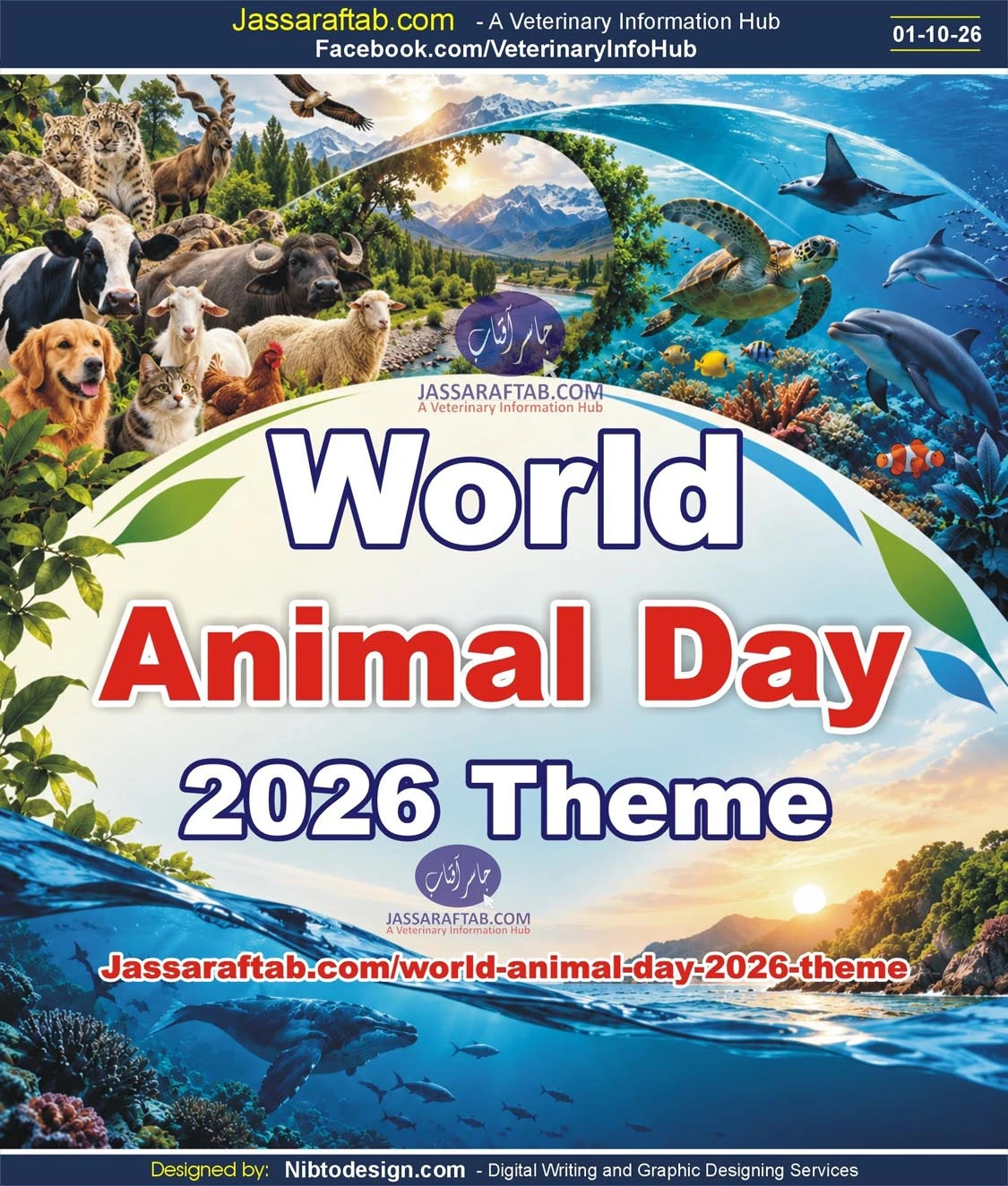
The official World Animal Day 2026 design draws inspiration from the Coral Triangle, one of the world’s most biodiverse marine regions. The region contains around 3,000 fish species, approximately 600 types of reef-building coral, 131 documented species of sharks and rays, and six of the seven species of sea turtles.
However, rising temperatures and human activities threaten these ecosystems. Coral bleaching occurs when corals lose their symbiotic algae, and this process can affect the wider ecosystem that depends on healthy coral reefs.
The 2026 commemorative design presents the marine environment from the perspective of sea life. It features animals such as parrotfish, clownfish, sea turtles, dolphins, dugongs, manta rays, octopuses and sperm whales.
In this way, the design visually communicates the central message of World Animal Day: look at the environment from the animals’ perspective.
Seeing the World Through the Eyes of Farm Animals
The World Animal Day 2026 theme also has important implications for livestock farming.
Farm animals depend heavily on people for their living conditions. Therefore, farmers and livestock professionals can apply the theme in practical ways.
For example, dairy farmers can examine housing from the cow’s perspective. They can ask whether animals have enough space, clean water, comfortable resting areas and adequate ventilation.
Likewise, poultry producers can assess temperature, stocking density, ventilation, lighting, water and feed availability according to the needs of birds.
Furthermore, farmers can handle animals calmly and avoid unnecessary stress. Proper handling can improve animal welfare while also making farm management safer and more efficient.
Thus, animal welfare in livestock farming should become a practical part of responsible and sustainable animal production.
Animal Health and Veterinary Care
Veterinarians play an important role in improving animal welfare.
They diagnose and treat diseases. At the same time, they help prevent illness through vaccination, biosecurity, nutrition advice and herd health programmes.
Moreover, veterinarians can educate farmers and pet owners about responsible animal care. They can also promote humane handling and encourage early veterinary intervention when animals show signs of illness.
The 2026 theme therefore provides an opportunity for the veterinary profession to communicate a broader message: healthy animals need healthy environments and responsible human care.
Pets and Responsible Animal Ownership
The theme also applies to dogs, cats and other companion animals.
Pet owners should understand that animals have physical, behavioural and social needs. Providing food alone does not guarantee good welfare.
Instead, responsible pet ownership includes proper nutrition, clean water, veterinary care, vaccination, parasite prevention, safe housing and appropriate exercise.
In addition, owners should observe changes in their pets’ behaviour. Such changes may indicate pain, illness, fear or stress.
Therefore, seeing the world through a pet’s eyes can help owners understand what their animals need rather than assuming that human preferences always meet animal needs.
Wildlife Conservation and Animal Welfare
Wildlife also deserves consideration under the World Animal Day 2026 theme.
Human activities can alter forests, wetlands, grasslands, rivers and oceans. Consequently, animals may lose their habitats, food sources and breeding areas.
Wildlife conservation therefore requires more than protecting individual animals. It also requires protecting the ecosystems that support them.
For instance, protecting forests can preserve habitats for mammals, birds and insects. Similarly, protecting wetlands can support waterbirds and aquatic species.
Furthermore, reducing pollution can protect animals from harmful substances in soil and water.
In short, wildlife conservation and animal welfare often depend on responsible environmental management.
From Awareness to Action and World Animal Day 2026 Theme
World Animal Day should not remain limited to social media messages. The official World Animal Day initiative encourages individuals, schools, communities, organizations and businesses to participate in activities that raise the status of animals.
People can mark World Animal Day 2026 by organizing:
- Animal welfare awareness campaigns
- Veterinary health camps
- Pet vaccination programmes
- Wildlife conservation activities
- School and university seminars
- Responsible pet ownership campaigns
- Farmer training sessions
- Animal welfare walks
- Fundraising activities for legitimate animal shelters
- Educational social media campaigns
Moreover, veterinary universities, livestock departments and animal welfare organizations can use October 4 to connect scientific knowledge with public awareness.
World Animal Day 2026 Theme in Pakistan
In Pakistan, the theme has particular relevance to livestock, poultry, pets and wildlife.
The livestock sector supports millions of rural households. Therefore, improving animal health and welfare can benefit both animals and the people who depend on them.
Farmers can improve welfare through better housing, balanced nutrition, clean drinking water, disease prevention and responsible animal handling. Likewise, poultry farmers can strengthen bird welfare through appropriate ventilation, temperature management, stocking density and biosecurity.
Meanwhile, Pakistan’s veterinary institutions can use World Animal Day 2026 to promote animal health and welfare awareness among students, farmers, pet owners and the general public.
Wildlife organizations can also use the occasion to highlight habitat protection and biodiversity conservation.


