

International Bat Appreciation Day | Ecological Importance of Bats | History of Bat Appreciation Day | Bat Species | Bats Conservation
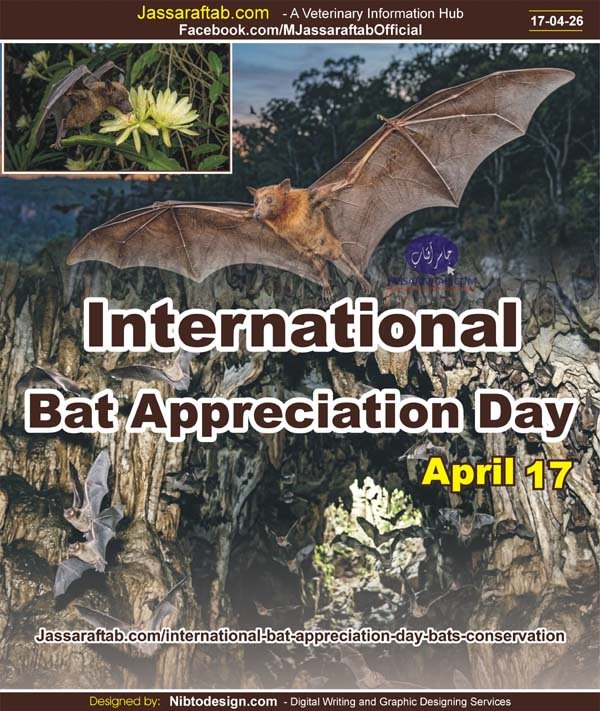
International Bat Appreciation Day is celebrated on April 17 every year. This global event highlights the importance of bats, promotes bats conservation, explains what are bats?, and increases awareness about different bat species. International Bat Appreciation Day was started by Bat Conservation International to educate people about the importance of bats and and correct common myths. Bats face serious threats such as habitat loss, climate change, and disease. Therefore, bats conservation is now more important than ever.

Many people fear bats. However, the importance of bats is undeniable. Bats control insects, pollinate plants, and disperse seeds. As a result, they support biodiversity and agriculture.
Moreover, International Bat Appreciation Day encourages people to replace fear with knowledge. It promotes awareness and strengthens bats conservation efforts globally.

History of International Bat Appreciation Day
International Bat Appreciation Day was introduced by Bat Conservation International (BCI) to highlight the importance of bats and promote bats conservation.
BCI was founded in 1982 by scientists and conservationists. Since then, it has grown into a globally recognized organization. It focuses on protecting bats and their ecosystems. Therefore, it plays a key role in global bats conservation.
World Wildlife Conservation Day and endangered Wildlife Species
Moreover, BCI follows science-based strategies. It has conducted research, restored habitats, and protected endangered species. As a result, it has significantly contributed to the importance of bats awareness.
Between 2014 and 2018, BCI identified 35 critically endangered bat species. At the same time, the International Union for Conservation of Nature (IUCN) reported that over 200 bat species are threatened.
Furthermore, by 2023, IUCN listed 85 bat species as Endangered and 28 as Critically Endangered. These numbers highlight the urgent need for bats conservation.
Therefore, International Bat Appreciation Day was established to promote the importance of bats and encourage global bats conservation efforts.
Purpose of International Bat Appreciation Day
International Bat Appreciation Day serves several purposes.
First, it raises awareness about the importance of bats.
Second, it corrects myths and misconceptions.
Third, it promotes bats conservation and habitat protection.
In addition, it encourages research and public participation. It motivates communities to support bats conservation.
Most importantly, it explains the importance of bats in maintaining ecological balance.
What Are Bats?
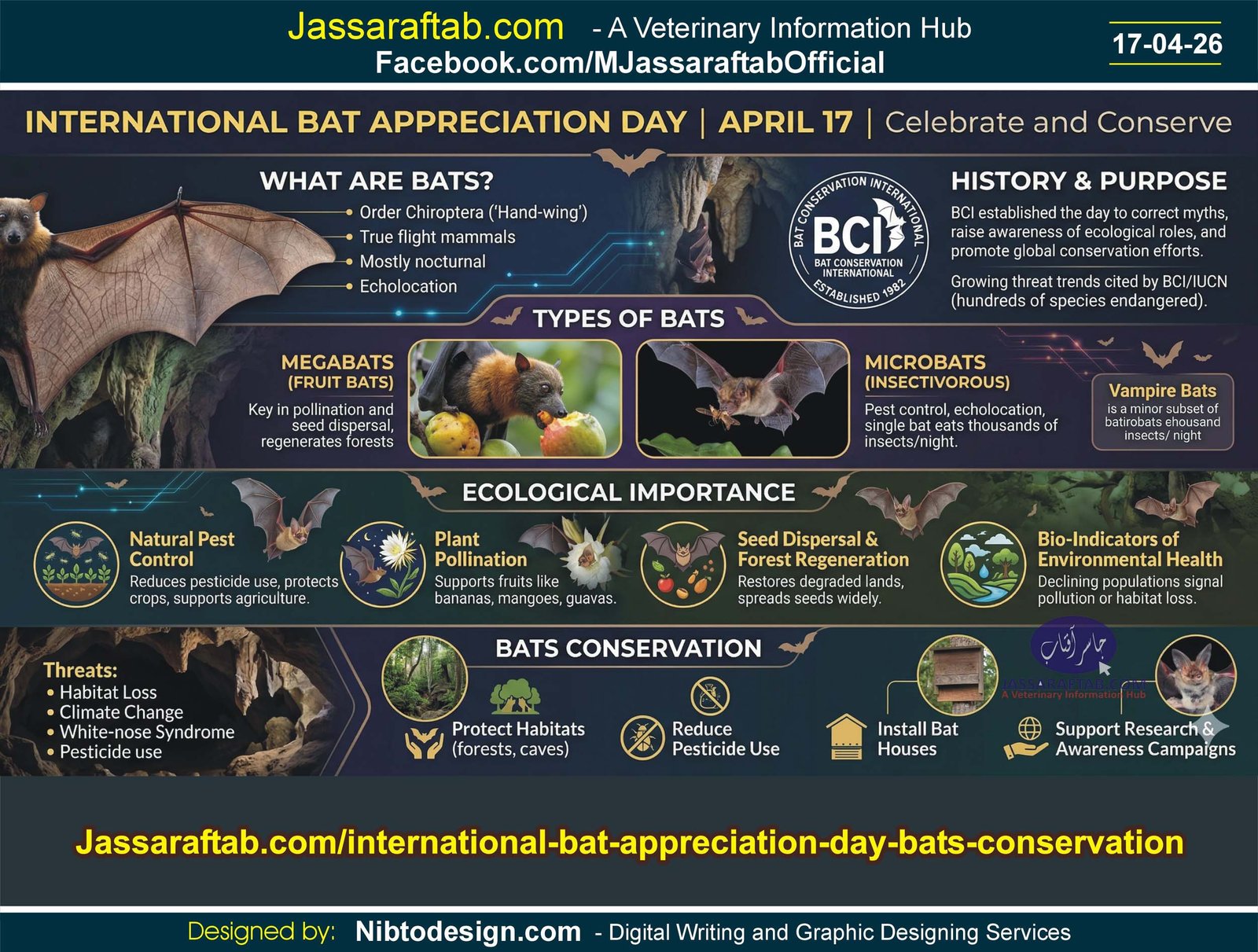
Bats are flying mammals that belong to the order Chiroptera. The word “Chiroptera” means “hand-wing.”
When we ask what are bats?, we learn that they are the only mammals capable of true flight. Their wings consist of skin stretched over elongated fingers.
Most bats are nocturnal. They use echolocation to navigate and find food. Therefore, understanding what are bats? helps us appreciate their ecological role.
Bat Species
There are more than 1,400 bat species worldwide. Therefore, studying bat species helps us understand their diversity and ecological roles.
Megabats (Fruit Bats)
These bat species feed on fruits and nectar. Therefore, they support pollination and seed dispersal. As a result, they help regenerate forests.
Microbats (Insectivorous Bats)
These bat species mainly eat insects. Consequently, they control pest populations and support agriculture.
Vampire Bats
These bat species feed on blood. However, they are few in number and rarely harm humans.
Ecological Importance of Bats
Bats play a vital role in maintaining healthy ecosystems. The importance of bats becomes clear when we understand their ecological and economic contributions. Although many people misunderstand them, they provide essential environmental and economic benefits. Therefore, protecting bats is crucial for ecological balance.
Natural Pest Control
Bats are powerful insect predators. Most insect-eating bats consume thousands of insects in a single night.
As a result, they naturally control pest populations, including mosquitoes and crop-damaging insects. Therefore, they reduce the need for chemical pesticides.
Moreover, farmers benefit directly. Bats protect crops and improve agricultural productivity. This clearly highlights the importance of bats in sustainable agriculture.
Pollination of Plants
Many bats act as pollinators. They feed on nectar and transfer pollen between flowers. As a result, they support the reproduction of many plants. These include fruits such as bananas, mangoes, and guavas.
In addition, bats pollinate night-blooming plants. Therefore, they play a unique role that other animals cannot replace.
Seed Dispersal and Forest Regeneration
Fruit bats help disperse seeds over long distances. As a result, they support forest regeneration and restore degraded lands. Moreover, they spread seeds in areas where other animals cannot reach.
Therefore, bats contribute significantly to ecosystem recovery.
Maintenance of Biodiversity
Bats help maintain ecological balance. They control insects and support plant growth. As a result, they protect biodiversity. Without bats, ecosystems would become unstable.
Therefore, the importance of bats extends to sustaining life in diverse habitats.
Economic Benefits
Bats provide strong economic value. They reduce pesticide costs by controlling pests naturally. In addition, they support agriculture through pollination and seed dispersal. Therefore, they contribute to food security and farmer income.
Indicators of Environmental Health
Bats act as bio indicators. Their presence shows a healthy environment. On the other hand, declining bat populations signal environmental problems. These include habitat loss and pollution.
Therefore, scientists monitor bats to assess ecosystem health.
Bats Conservation and International Bat Appreciation Day
Bats conservation is essential to protect bat populations. International Bat Appreciation Day plays a key role in promoting bats conservation.
Bats face threats such as habitat destruction, climate change, and diseases like White-nose Syndrome. Therefore, bats conservation efforts must increase.
Key Conservation Steps
- Protect forests and caves
- Reduce pesticide use
- Install bat houses
Moreover, awareness campaigns improve bats conservation. International Bat Appreciation Day helps educate people about the importance of bats.
In addition, research programs strengthen bats conservation strategies. Governments and organizations must collaborate to improve outcomes.
Conclusion of International Bat Appreciation Day
International Bat Appreciation Day is more than a celebration. It highlights the importance of bats and promotes bats conservation.
Therefore, we must change our perception. Understanding what are bats? and recognizing different bat species helps us appreciate them.
In conclusion, protecting bats ensures ecological balance. Strong bats conservation efforts will secure a healthier future for our planet.


