


International Wombat Day and Australian Wombat Conservation
International Wombat Day is observed on October 22 every Year. They are burrowing marsupials native to Australia. The day aims to raise awareness about Australian wombats, protection of Wombat habitat, and Wombat Conservation. Moreover, it also raises awareness about their ecological importance, and threats they face in the wild. There are three species of Wombat. These species include Common wombat, Southern hairy-nosed wombat, and Northern hairy-nosed wombat.


These burrow-building animals dig vast burrow systems that can extend up to 30 meters underground, complete with multiple chambers and entrances. Therefore, people called them ecological engineers. Additionally, they form complex tunnel networks carefully designed for temperature regulation, safety, and comfort.
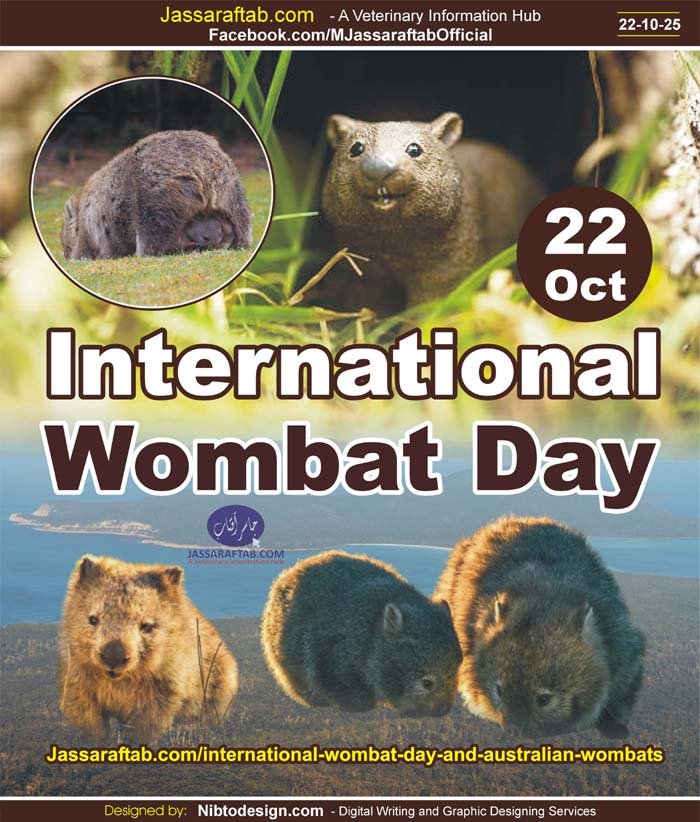
History of International Wombat Day
The International Wombat Day began in the Autumn of 2005. The Grand Wombat Council has initiated this day for these Australian wombats. The Grand Wombat Council has chosen this date due to the spring planting season in Australia. During this time, wombats become active and visible in the wild. Thus, this time plays an important role to highlight their importance and threats they face.
Alternatively, this day also known as “Hug a Wombie Day” and “Wombats of the World Unite Day.”
Initially, Australian peoples celebrated it locally to recognize these burrowing marsupials cultural and ecological importance.
Later in 2009, Chris Mabe created a Wombat Day event on Facebook. Over 600 people joined this event to celebrate these Australian Marsupials. As a result, it became a global event.
Characteristics of Wombats | Habitat | Conservation | Wombat Day History
What is the purpose of International Wombat Day?
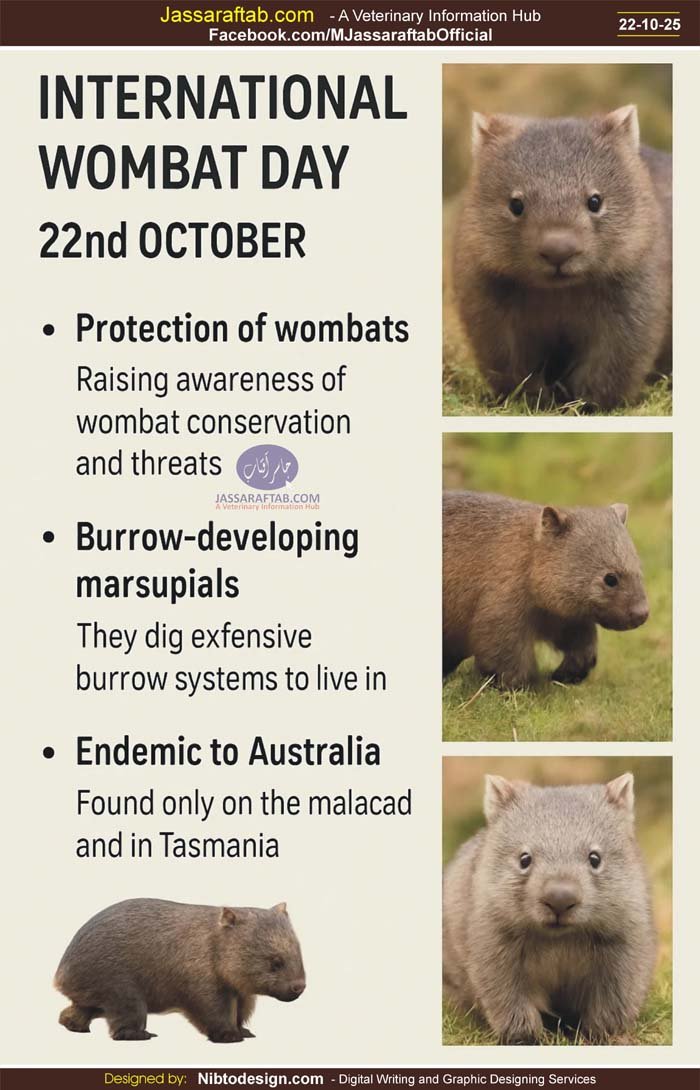
Mainly, International Wombat Day educates people about Australian wombats and encourages their protection. The day reminds everyone that wombats are vital members of Australia’s ecosystems. These burrowing marsupials dig extensive burrow systems that help aerate the soil and create shelter for other animals.
Moreover, this day motivates individuals and organizations to support conservation projects, rescue centers, and habitat restoration programs. It also encourages responsible behavior among tourists and residents to avoid disturbing wombat habitats. Through awareness activities, the event promotes compassion, respect, and coexistence with these shy but essential animals.
What are Wombats?
The Wombats are muscular quadrupedal marsupials and belong to the family Vombatidae. Exclusively, they live in Australia and they occupy a variety of habitats ranging from temperate forests to dry grasslands. Apparently, they look like bears. Notably, they are closely related to Koalas and Kangaroos. Like other marsupials, female wombats carry their young in their pouch. However, they have backward-facing pouch.
These sturdy, short-legged animals have thick fur and strong claws designed for digging. Adult wombats usually weigh between 20 and 35 kilograms and can live for more than 15 years in the wild. They leave cube-shaped droppings and use them to mark their territory.
Wombat Conservation status and Conservation efforts
Wombats play an important role in the Australian environment. Sadly, they face numerous threats including habitat loss, climate change, Human wildlife conflict and diseases like Sarcoptic Mange.
Wombats include three species, each with a different conservation status depending on their population size, distribution, and threats. IUCN has listed Common Wombat as least concern, Southern Hairy-nosed Wombat as Near Threatened and Northern Hairy-nosed Wombat as Critically Endangered.
Therefore, many organizations are working to protect them. Mainly, organizations such as WWF Australia, Wombat Foundation, Australian Wildlife Conservancy (AWC), and the Wildlife Preservation Society of Queensland (WPSQ) are working on Wombat Conservation.
FAQ about International Wombat Day
What is the main purpose of International Wombat Day?
Which species of wombats are there, and what is their conservation status?
There are three species of wombats: the Common wombat, Southern hairy-nosed wombat, and Northern hairy-nosed wombat; the Common wombat is listed as least concern, the Southern hairy-nosed wombat as near threatened, and the Northern hairy-nosed wombat as critically endangered.
Why are wombats referred to as ecological engineers?
When and why was International Wombat Day established?
International Wombat Day established in the autumn of 2005 by the Grand Wombat Council. This date has chosen due to Australia’s spring planting season to highlight the wombats’ activity and ecological importance during this time.
What are the threats faced by wombats and the efforts to conserve them?
Wombats face threats such as habitat loss, climate change, human-wildlife conflict, and diseases like Sarcoptic Mange. Organizations like WWF Australia, the Wombat Foundation, and the Australian Wildlife Conservancy aim to protect these species and work effortlessly for their conservation.


