

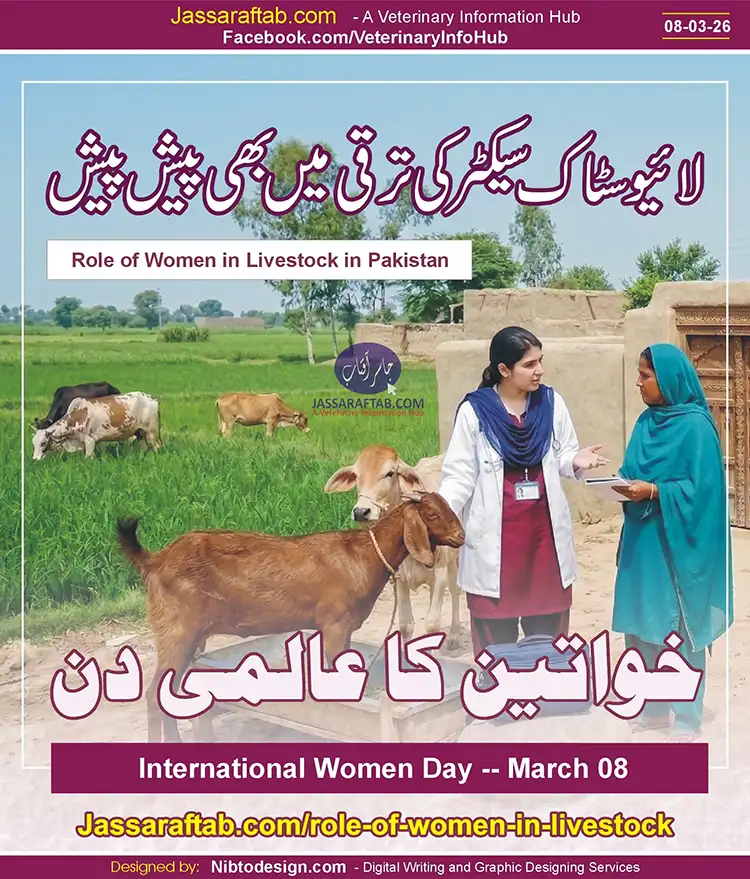
Role of Women in Livestock in Pakistan
The Role of Women in Livestock in Pakistan serves two main purposes because it supports rural households and drives national economic growth. Women in rural areas function as primary caretakers for animals which enables them to generate milk and meat and other livestock goods for their communities. Their work supports household income and improves family nutrition.


Pakistan has one of the largest livestock sectors in the region. Millions of families depend on cattle, buffaloes, goats, sheep, camel and poultry for their livelihood. In this system, women play a key role. Women perform multiple tasks as they feed animals, clean sheds and milk cows and buffaloes and prepare dairy products at home.
Women play a critical role in livestock farming yet their contributions go unrecognized. Recognizing and supporting women can greatly improve livestock production and rural development in Pakistan.
Importance of Livestock in Rural Economy
The agricultural system of Pakistan depends entirely on livestock which serves as its fundamental element. The system provides rural households with milk, meat, manure and income. Many small farmers keep a few animals at home to support their daily needs.
For rural families, livestock works like a small savings system. Families sell animals or milk whenever they require funds for education or medical treatment or household expenses.
Women handle the daily responsibilities for these animals. The livestock industry needs their participation to operate at optimal efficiency.
Role of Women in Livestock Management
The Role of Women in Livestock management is visible in almost every rural household. Women perform many daily tasks which help maintain animal health and productivity.
Common activities which women perform include:
- Feeding animals and providing water
- Cleaning animal sheds
- Milking cows and buffaloes
- Cutting and collecting fodder
- Preparing butter and yogurt and ghee
- Taking care of calves and sick animals
These tasks require time and effort and experience. Women in many villages dedicate several hours each day to livestock management.
They also take care of goats and sheep. Women in the household manage these animals because they require less space and are easier to handle.
Role of Women in Livestock and the Dairy Sector
Pakistan stands as one of the top three countries which produce the most milk worldwide. A significant portion of this milk supply originates from small-scale dairy farms which women operate.
The dairy industry depends on Women to perform essential functions within their operations. Women participate throughout the entire process of milk production.
They provide food for dairy animals and perform milking operations while maintaining proper milk storage. Women in many households transform milk into traditional dairy products which include butter and yogurt and ghee.
Households in rural areas use milk and dairy products for generating a consistent yet minor income stream which they sell at local markets. This income stream provides financial support for daily needs and educational costs of children.
The Role of Women in Livestock and Household Food Security
Rural communities depend on women’s participation in livestock work because it helps them achieve food security. Families obtain essential nutrients from milk products and meat and egg products.
Women usually decide how milk and dairy products are used at home. They ensure that children receive healthy food and proper nutrition.
Women manage both goat farming and backyard poultry as their primary farming activities. The animals provide both eggs and meat which enhance the nutritional value of rural households’ diets.
Women create conditions that enable food access while they work to protect their family’s well-being.
Role of Women in Livestock for Rural Income
The Role of Women in Livestock directly affects household income throughout all rural regions of Pakistan.
Livestock creates different methods by which families can receive consistent financial assistance. Families can sell milk daily or sell animals when they need money.
Women who belong to poor rural families and widows receive livestock animals through multiple development programs. These programs help women start small livestock businesses.
Women who operate livestock businesses with their income usually use their earnings to support their families. This funding improves educational access and healthcare resources and enhances overall living conditions.
Challenges Affecting the Role of Women in Livestock
Women in the livestock sector face multiple obstacles despite their critical contributions to the industry.
Limited Training Opportunities
Many women do not receive proper training in animal health, breeding, or feeding. Most livestock training programs are designed mainly for men.
Women have few opportunities to interact with veterinarians and livestock extension personnel. This situation creates challenges which negatively impact animal health and productivity.
Lack of Ownership
Women take care of animals throughout their daily routine yet men in their families maintain ownership of all livestock. This situation limits women from accessing the money which comes from their livestock.
Restricted Market Access
Cultural norms in many rural areas of Pakistan restrict the ability of women to move about. This prevents them from reaching livestock markets and selling their animals through direct sales.
Strengthening the Role of Women in Livestock in Pakistan
The improvement of women’s role in livestock work will boost Pakistan’s livestock output.
The following steps should be taken to assist women who work as livestock farmers:
- Women should receive livestock training through dedicated programs.
- Veterinary services should become more accessible to the general public.
- Dairy and livestock cooperatives which women operate should receive financial backing.
- The organization should provide microfinance services and small loans to farmers who raise livestock.
- The organization should promote female workers who provide livestock extension services.
Through these efforts women will gain better control of animal health which will lead to greater milk yields and increased financial earnings.
Future of the Role of Women in Livestock
Women hold vital importance for the development of Pakistan’s livestock industry. Women can develop into successful livestock business owners through better educational opportunities and training programs.
Digital platforms and agricultural information websites are also helping spread awareness about livestock management and women’s contributions in the sector.
Government recognition of Women’s Role in Livestock will create agricultural policies which benefit rural female farmers while enhancing the livestock sector.
Conclusion
Women play a vital role in Pakistan’s livestock sector because their work sustains rural economies and guarantees food supply and supports economic development. Women handle all aspects of animal care while producing milk and generating income for their families through their daily responsibilities.
However, their contributions often remain unrecognized. Providing training, veterinary support, and financial opportunities can empower women and improve livestock productivity.
When women succeed in livestock farming, rural families become stronger and the national agricultural economy grows. Supporting women in livestock is therefore a key step toward sustainable rural development in Pakistan.


