


International Zebra Day | Zebra Conservation | Zebra Communication | Do zebras migrate?
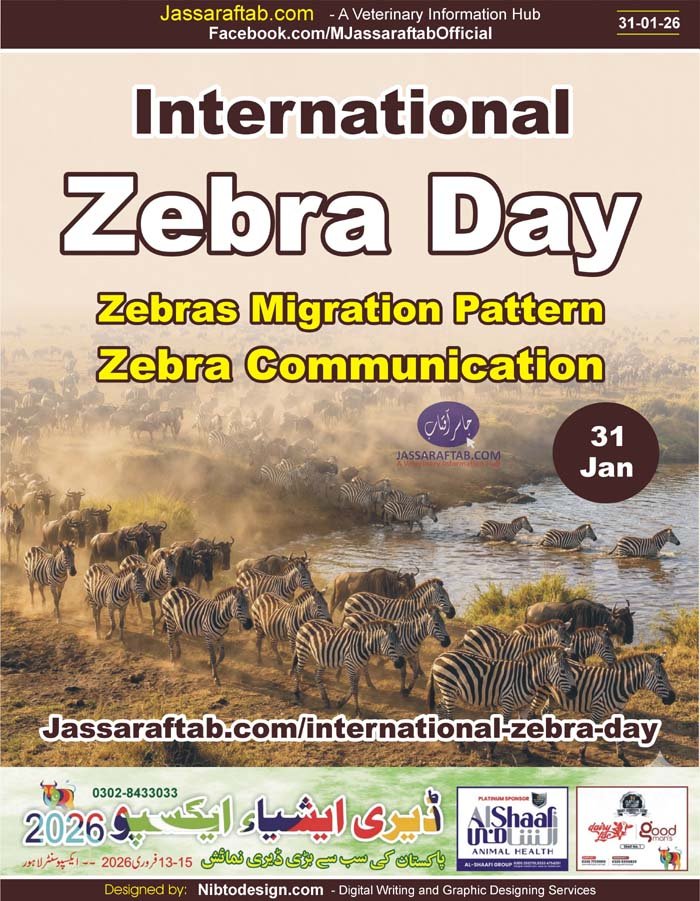
International Zebra Day is celebrated every year on 31st January. This day spreads awareness about zebra conservation and habitat protection. It also highlights the ecological role of zebras in African ecosystems. Moreover, it reminds people that zebra populations are under pressure due to human activities. In this article we highlight the Zebras migration pattern, zebra communication and zebra conservation.

Zebras are among the most recognizable wild animals. Their bold black-and-white stripes make them unique. However, zebras are more than just beautiful animals. They are key grassland managers and social herd species. Therefore, protecting zebras also protects many other species.
This detailed blog explains how zebras communicate. Do zebras migrate?

Why International Zebra Day Matters?
Zebras play an important ecological role. They act as grassland pioneers. First, they eat coarse and tall grasses. Then, softer grasses grow for other herbivores. Consequently, grazing systems stay balanced.
Moreover, zebras support biodiversity. Their movement patterns shape vegetation. Their grazing reduces wildfire fuel loads. In addition, their presence supports predator populations in natural balance.
However, human expansion disrupts these systems. Therefore, awareness days help push conservation action.
International Zebra day plays an important role to highight the need to protect Zebras.
How do zebras communicate?
Zebras communicate through a combination of vocal sounds, body language, and facial expressions. First, they use a wide range of calls such as barks, brays, snorts, and squeals to signal different situations. For example, a loud bark often serves as an alarm call when a predator appears, while softer snorts help maintain contact within the herd. Moreover, zebras rely heavily on ear and tail positions to send quick visual signals.
Forward ears usually show alertness and interest, whereas pinned-back ears indicate aggression or discomfort. In addition, tail swishing can signal irritation or act as a warning to nearby animals. Zebras also communicate through social behaviors like mutual grooming, which strengthens bonds between herd members and reduces tension. Stallions, meanwhile, use posture, movement, and sometimes scent marking to establish dominance and defend territory. Therefore, zebra communication is multi-layered and highly social, which helps maintain group structure and improves survival in the wild.
Do zebras migrate?
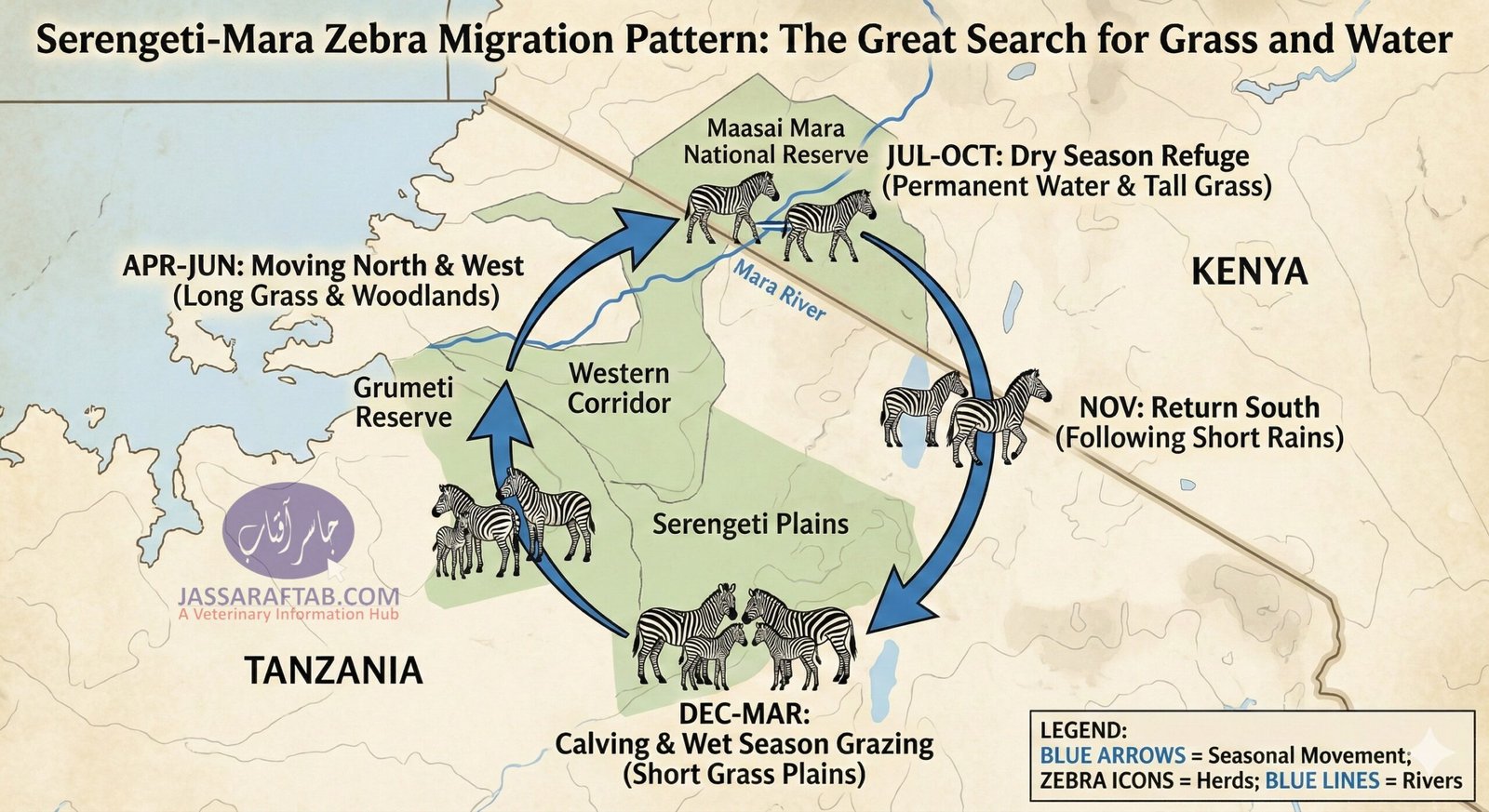
Yes, many zebras migrate, although migration patterns vary by species and region. Plains zebras, in particular, take part in some of Africa’s most impressive land migrations. They move seasonally in large herds to find fresh grazing and reliable water sources. These movements usually follow rainfall patterns. When new grass grows after rains, zebras travel long distances to reach better feeding areas. Moreover, zebras often migrate together with wildebeest and other herbivores, which increases safety through group vigilance.
In contrast, Grevy’s zebras migrate less and instead move more irregularly based on local resource availability, since they live in drier habitats. Mountain zebras usually make shorter, altitude-based seasonal movements rather than long-distance migrations. However, modern fencing, farming expansion, and road networks now block many traditional migration routes. Therefore, conservationists focus on protecting wildlife corridors to keep zebra migration pathways open and functional.
Zebras Migration Pattern
Zebra Conservation and International Zebra Day
Zebra conservation focuses on protecting zebra populations, preserving their natural habitats, and maintaining safe migration routes across African landscapes. Today, zebras face growing threats from habitat loss, agricultural expansion, fencing, overgrazing by livestock, water scarcity, and climate change. Moreover, some populations suffer from poaching and human–wildlife conflict. Therefore, International Zebra Day focuses on conservation efforts that combine protected area management, community partnerships, and scientific monitoring.
Governments and wildlife organizations establish national parks and reserves to secure grazing land and water access. In addition, conservation groups work to create and protect wildlife corridors so migrating zebra herds can move safely between seasonal ranges. Organizations such as the African Wildlife Foundation, WWF, and the Grevy’s Zebra Trust run anti-poaching programs, population surveys, and community-based conservation projects.
Meanwhile, researchers use GPS tracking and stripe-pattern identification to monitor herd health and movement. Community education programs also play a key role, because local support reduces illegal hunting and encourages sustainable land use. As a result, targeted conservation actions have already helped some mountain zebra populations recover. However, continued funding, habitat protection, and cross-border cooperation remain essential for the long-term survival of all zebra species.
Link to know more about Zebras, Zebras Types and Characteristics.
زیبرا کا عالمی دن اور اس کی تاریخ، زیبرا کی خصوصیات اور دیگر معلومات


